
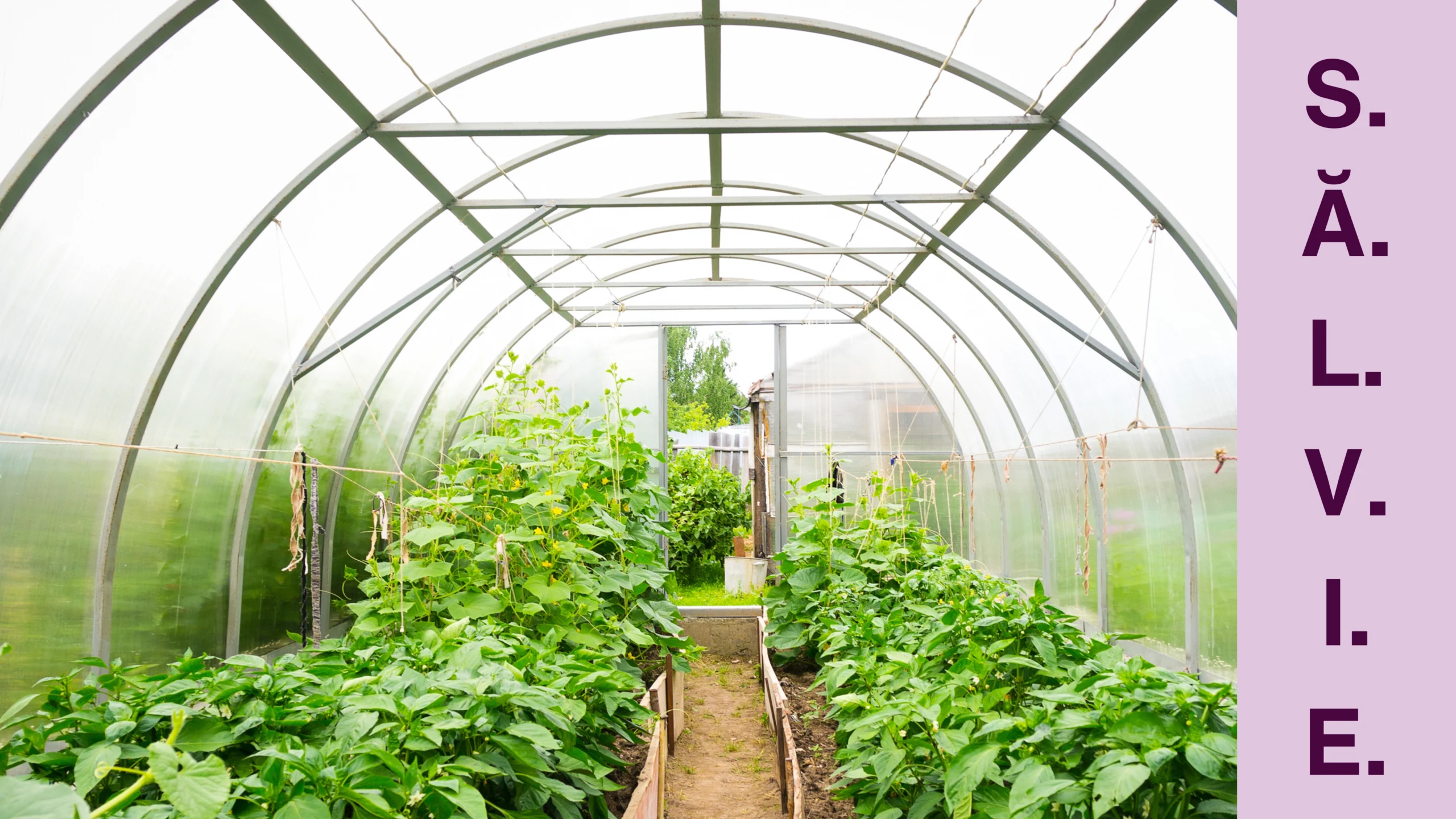
S.Ă.L.V.I.E. Social Farm: cultivating an extraordinary future of inclusion
S.Ă.L.V.I.E. Social Farm is our project dedicated to sustainability and inclusion in Romania. The name S.Ă.L.V.I.E. is an acronym of Socializare, Ărmonie, Locuri de muncă, Viață Independentă, Incluziune, Educație, and it is also a tribute to salvia (sage), a medicinal plant that symbolises care and well-being.
We grow high-quality medicinal and herbal plants while offering opportunities for social and work inclusion. This social farming model turns sustainable agriculture into a vehicle for well-being and community cohesion. Within the Gyerünk Project, S.Ă.L.V.I.E. Social Farm is an agricultural laboratory and a meeting and training centre where innovation and tradition come together.
S.Ă.L.V.I.E. Social Farm: a holistic vision for the future
The beating heart of S.Ă.L.V.I.E. Social Farm rests on four fundamental pillars: environmental protection, inclusion, a balance between innovation and tradition, and the enhancement of the local area.
Environmental Sustainability
Organic practices and eco-innovations that protect biodiversity and resources, reduce waste and ensure a green and healthy future.
Social Inclusion
Training pathways and participatory activities build on the skills and autonomy of vulnerable people, promoting equal opportunities.
Innovation and Tradition
Established farming methods and modern technologies come together in a sustainable and resilient production model.
Enhancing the Local Area
Short supply chains, product quality and local partnerships create jobs and strengthen the sense of community.
Main activities of S.Ă.L.V.I.E. Social Farm
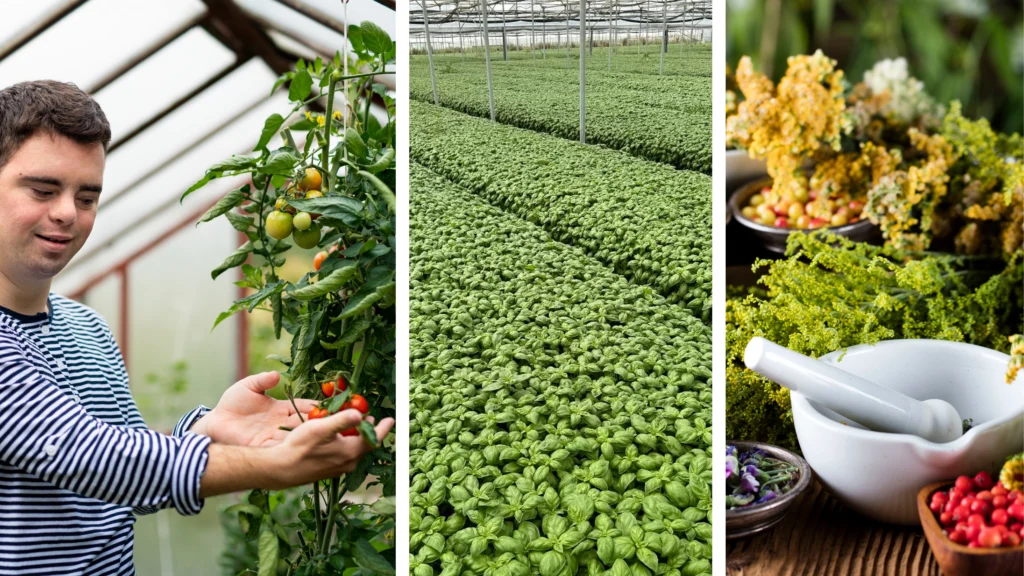
Organic and Sustainable Cultivation
Lavender, mint, thyme and other medicinal species are grown with organic techniques that respect natural cycles and biodiversity, improving soil fertility and protecting pollinators.
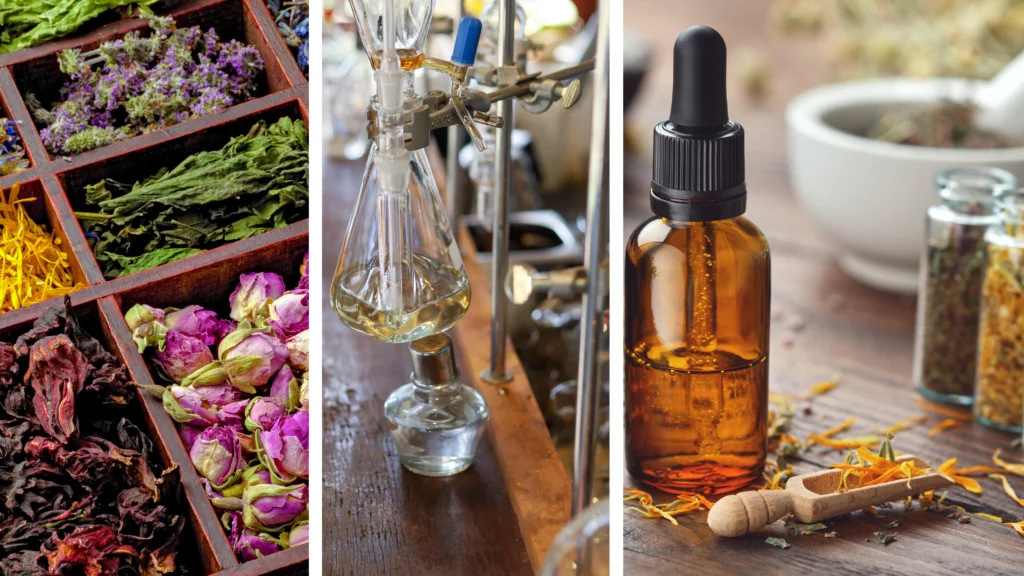
From Plant to Product
After harvesting, the plants are dried and processed into herbal teas, essential oils and natural cosmetics, with full traceability and quality checks at every stage.

Social and Work Inclusion
We offer hands-on workshops, mentoring and ongoing training for people with disabilities and vulnerable groups. Working on the farm means learning a trade and actively contributing to the community.
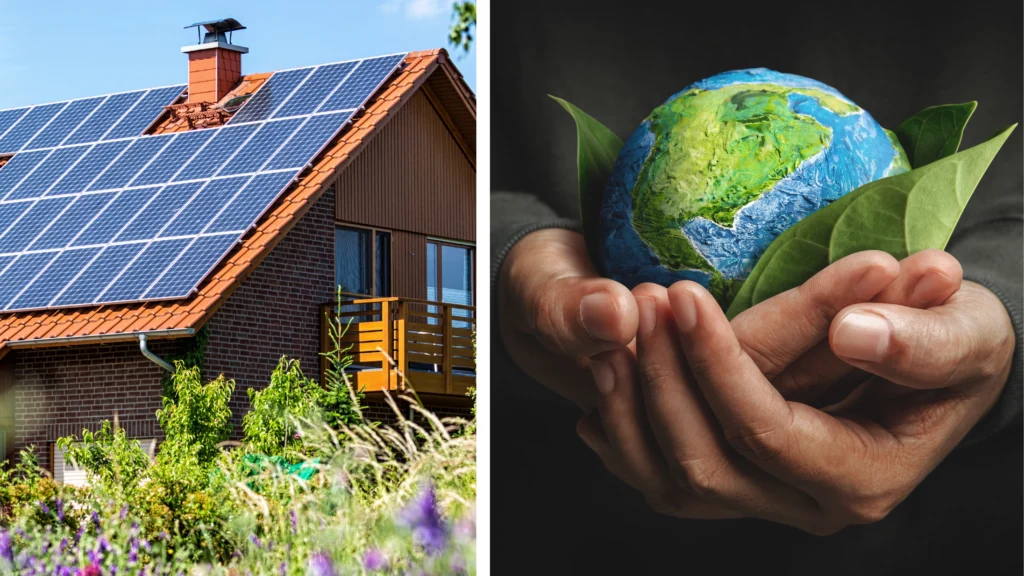
Environmental Sustainability
Solar panels, rainwater harvesting and ecological hedgerows encourage biodiversity and farming in harmony with the environment.
How S.Ă.L.V.I.E. Social Farm benefits the community
The participatory structure of S.Ă.L.V.I.E. Social Farm has an impact that goes beyond agricultural production: economic growth, social cohesion and environmental education.
Economic and Employment Development
Short supply chains and locally sourced products stimulate the local economy, create jobs and strengthen skills.
Strengthening Social Cohesion
Events, courses and social gatherings build networks of trust, mutual support and inclusion.
Environmentally Aware Education
Educational and outreach activities promote sustainable everyday choices and care for the local area.
Conclusions: an extraordinary model for the future
S.Ă.L.V.I.E. Social Farm is more than a farm: it is an ecosystem where sustainable production, social inclusion and the enhancement of the local area coexist in harmony.
Would you like to find out more about S.Ă.L.V.I.E. Social Farm, visit the farm or work with us? We are happy to hear your ideas and build valuable pathways together.
📞 Call us now: +40 727 106 716Insights and resources on S.Ă.L.V.I.E. Social Farm
Find out more about the world of social farming
If you would like to know more about S.Ă.L.V.I.E. Social Farm, explore these carefully selected resources to learn about related concepts, practices and models in the field of sustainability and social inclusion.
- Social farming (European Network for Rural Development) — a detailed overview of the concept of social farming and its impact on rural communities in Europe.
- Circular economy (Ellen MacArthur Foundation) — principles and case studies on how closed loops generate environmental, social and economic value.
- Sustainable agriculture (FAO) — guidelines, goals and practices for resilient food systems that respect natural resources.